Protecting Your Vehicle's Paint From Road Damage
Paint Protection Film (PPF) Installation in Clinton for rock chips, scratches, and road debris damage on high-impact vehicle surfaces
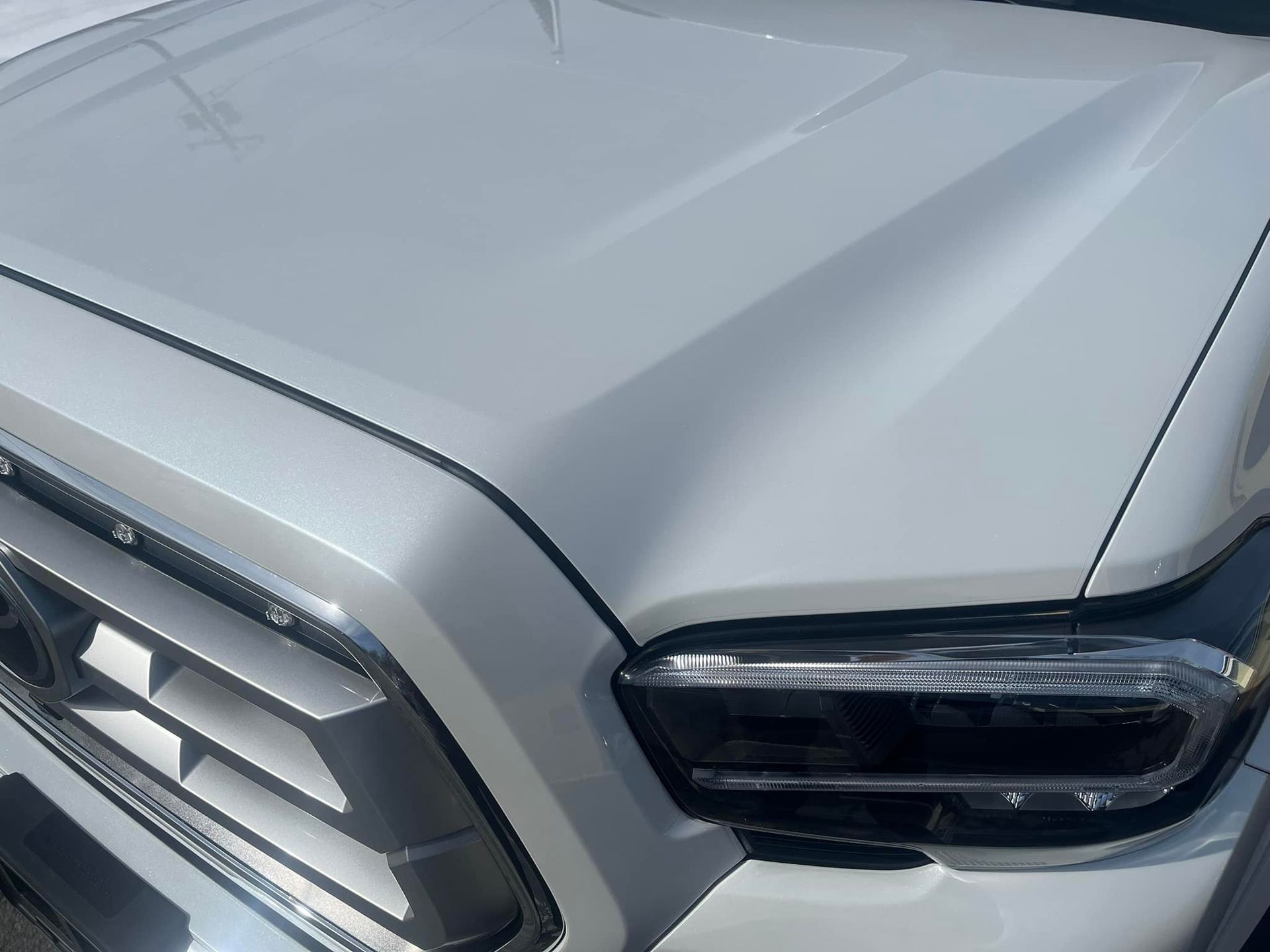
Adirondack Collision LLC installs paint protection film for vehicle owners who want to shield their paint from the rock chips, scratches, and abrasions that occur during everyday driving. You may have recently purchased a new vehicle or completed a full repaint after collision repair, and you want to preserve that finish as long as possible. Paint protection film is a clear, durable layer applied to painted surfaces, typically on the hood, front bumper, fenders, mirrors, and door edges where damage is most likely to occur. The film absorbs impacts from gravel and debris that would otherwise chip or scratch the paint, and it can be removed and replaced when it becomes worn or damaged without affecting the paint underneath.
Installation begins with thoroughly cleaning the vehicle's surface to remove dirt, wax, and contaminants that would prevent proper adhesion. The film is pre-cut or hand-trimmed to fit the specific panels being protected, then applied using a solution that allows the installer to position the film accurately before squeeging out air and liquid. The edges are tucked or wrapped around panel contours to create a seamless appearance and prevent peeling. Once applied, the film is nearly invisible under normal viewing conditions, and it does not alter the color or gloss of the underlying paint. Professional installation ensures the film lays flat without bubbles, wrinkles, or lifted edges that detract from the vehicle's appearance.
If you want to protect your vehicle's paint from road damage, contact Adirondack Collision LLC to discuss coverage options and schedule an installation appointment.
How Paint Protection Film Preserves Long-Term Appearance
You bring your vehicle in for film installation, and the first task involves inspecting the paint for defects, swirl marks, or existing chips that should be corrected before the film is applied. Any imperfections under the film will remain visible, so surface preparation is important. The installer selects the appropriate film for your vehicle, which may vary in thickness, self-healing properties, and gloss level. Thicker films offer better impact resistance, while self-healing films use heat to repair minor scratches that would otherwise remain visible. The film is applied panel by panel, and the installer uses a squeegee and heat gun to conform the material to curves, edges, and body lines.
After installation, you will notice the film is barely visible, appearing as a smooth, glossy surface that blends with the rest of the vehicle. Adirondack Collision LLC ensures the film edges are clean and tucked, so they do not catch dirt or lift over time. The paint underneath remains protected from rock chips, bug splatter, and minor abrasions, and the film can be waxed and maintained like the rest of the vehicle. If the film becomes scratched or yellowed after years of use, it can be removed and replaced without damaging the original paint, which remains in the same condition it was in when the film was first applied.
Coverage options vary depending on your priorities and budget. Full front-end coverage includes the hood, bumper, fenders, mirrors, and headlights, while partial coverage focuses on the highest-impact areas such as the leading edge of the hood and the front bumper. Some vehicle owners choose to protect door edges, rocker panels, or rear bumper sections if they frequently load cargo or park in tight spaces. The film does not prevent all damage, but it significantly reduces the frequency and severity of chips and scratches that accumulate over time.
Common Questions About Paint Protection Film
Paint protection film offers long-term benefits, and understanding how it is installed and maintained helps you decide whether it is a worthwhile investment for your vehicle.
What is the difference between self-healing and standard paint protection film?
Self-healing film uses a top layer that softens with heat, allowing minor scratches to disappear when exposed to sunlight or warm water, while standard film retains scratches until the film is replaced.
How long does paint protection film last before it needs replacement?
Quality film typically lasts five to ten years depending on exposure to sunlight, road conditions, and maintenance, and it can be removed and replaced when it yellows or becomes damaged without affecting the paint underneath.
When should you install paint protection film on a new vehicle?
The best time is immediately after purchase or after a fresh paint job, before the paint accumulates chips and scratches that would be visible under the film and reduce the quality of the installation.
Why does professional installation matter for paint protection film?
Inexperienced installers may leave bubbles, wrinkles, or visible edges that detract from appearance and reduce the film's protective effectiveness, while professionals use proper tools and techniques to ensure a seamless, durable application.
What should Clinton drivers know about maintaining paint protection film during winter?
Film can be washed and waxed like regular paint, but avoiding high-pressure washers on the edges and using gentle cleaning products helps prevent lifting or damage, especially when temperatures drop and the film becomes less flexible.
Vehicle owners throughout Clinton rely on Adirondack Collision LLC for paint protection film installation that keeps their vehicles looking new. Schedule a consultation to review coverage options and receive an estimate for your vehicle.