Repairing Dents and Refinishing Damaged Panels
Auto Body Repair & Painting in Clinton for dents, scratches, and body panel damage that affect appearance and vehicle value
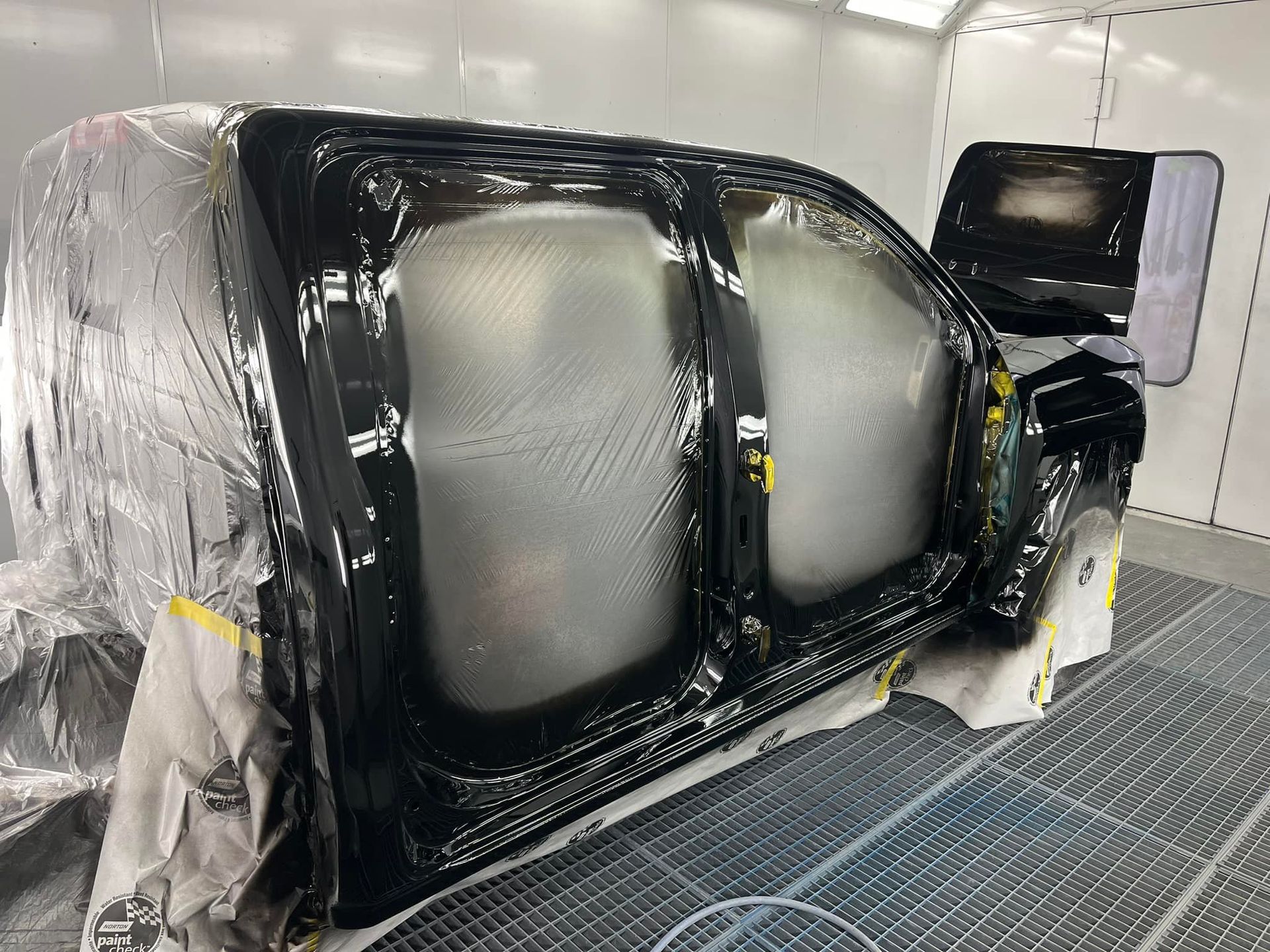
Adirondack Collision LLC offers auto body repair and painting for vehicle owners dealing with damage that ranges from door dings and parking lot scrapes to more extensive panel damage from accidents or road hazards. You may notice a deep scratch that exposes bare metal, a crumpled fender from a low-speed collision, or a door panel with multiple dents that detract from your vehicle's overall appearance. Auto body repair addresses these issues by reshaping metal, filling imperfections, and applying a refinished surface that matches the original factory color. The work restores both the look of your vehicle and its resale value, which suffers when visible damage remains untreated.
Technicians begin by assessing the damaged area to determine whether the panel can be repaired or needs replacement. If the metal can be reshaped, they use hammers, dollies, and pulling tools to work the dent out from behind or apply controlled pressure from the front. Deep scratches and remaining imperfections are filled with body filler, which is shaped and sanded smooth once cured. Surface preparation is critical. Panels are sanded to remove old paint and create a texture that allows primer and paint to adhere properly. After priming, technicians apply base coat color matched to your vehicle's paint code, followed by clear coat to protect the finish and provide gloss. The repair area is blended into surrounding panels so the transition is invisible under normal viewing conditions.
If your vehicle has body damage that you want corrected, contact Adirondack Collision LLC to schedule an evaluation and receive an estimate for the repair and refinishing work.
How Professional Refinishing Restores Factory Appearance
You drop off your vehicle with visible damage, and the first task involves cleaning and inspecting the affected panels. Technicians remove trim, moldings, and adjacent components to access the full extent of the damage and prevent overspray during painting. Dents are worked out using body hammers and dollies, and any remaining low spots are filled with a two-part filler that hardens within minutes. Once the filler cures, it is sanded smooth using progressively finer grits of sandpaper until the surface is level with the surrounding metal. The panel is then wiped down with a solvent to remove dust and oils that would interfere with paint adhesion.
After the work is complete, you will see a smooth, glossy finish that matches the rest of your vehicle in both color and texture. Adirondack Collision LLC ensures that repaired sections do not stand out under sunlight or indoor lighting, and the clear coat provides a durable layer that resists minor abrasions and environmental exposure. The vehicle looks consistent across all panels, and the repair holds up over time without peeling, fading, or cracking if properly maintained. You should not be able to distinguish the repaired area from the original paint once the vehicle is reassembled.
Refinishing quality depends on surface preparation, environmental conditions during application, and the skill of the technician applying the paint. Humidity, temperature, and dust control all affect how the paint lays down and cures. Professional shops use controlled environments and quality materials to ensure consistent results. The number of coats, drying time between layers, and blending technique all contribute to a finish that lasts. Some repairs are limited to a single panel, while others require blending into adjacent sections to avoid a visible edge where new paint meets old.
Common Questions About Auto Body Repair and Painting
Understanding the steps involved in body work and refinishing helps you know what to expect and how to care for your vehicle after the repair is finished.
What is the difference between body filler and primer?
Body filler is a thick paste used to fill dents and low spots in the metal, while primer is a thin coating applied over bare metal or filler to seal the surface and provide a base for paint to adhere to.
How long does it take for new paint to fully cure?
Paint may feel dry to the touch within hours, but full curing takes several weeks, during which you should avoid waxing, automatic car washes, and harsh chemicals that can damage the finish.
When should you repair a scratch instead of leaving it?
If the scratch reaches the primer or bare metal, moisture can cause rust to form underneath the paint, so timely repair prevents more extensive corrosion and costlier fixes later.
Why does paint sometimes look slightly different in certain light?
Paint changes appearance based on angle and lighting due to metallic flakes or pearl additives, and blending into adjacent panels helps minimize any noticeable difference under varying conditions.
What should drivers in Clinton expect regarding drying time during colder months?
Lower temperatures and higher humidity slow the curing process, so repair shops may use heated booths or extend drying time to ensure the finish hardens properly before the vehicle is returned.
Vehicle owners throughout Clinton rely on Adirondack Collision LLC for body repairs that bring damaged panels back to original condition. Schedule an appointment to discuss your vehicle's damage and receive an estimate for the necessary work.